What the European Parliament Actually Does
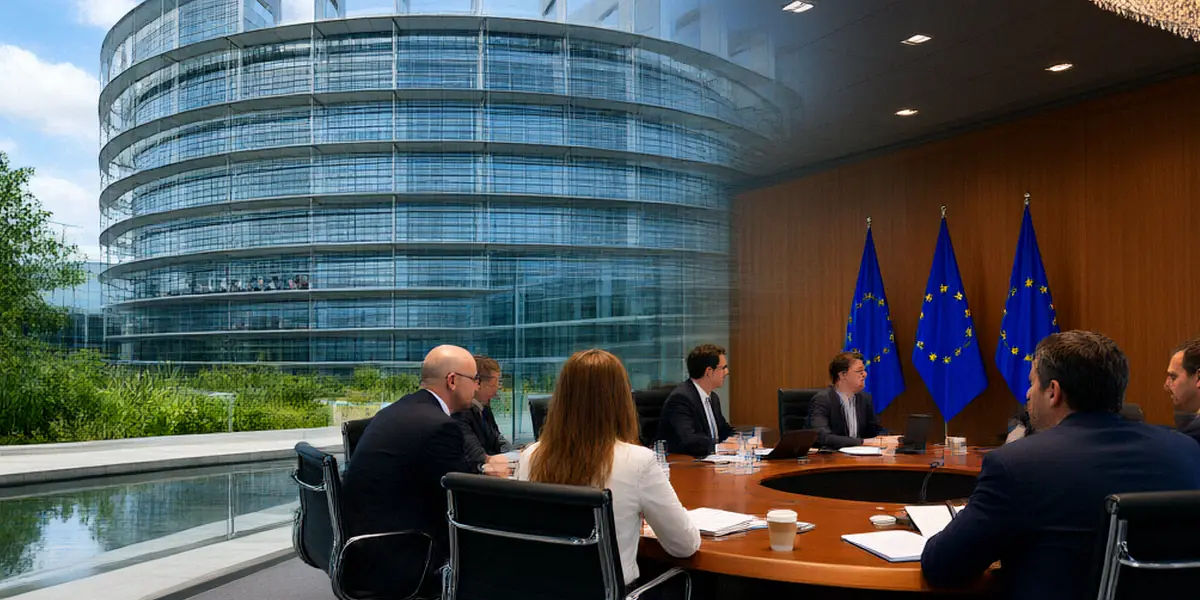
If you follow British news, you could be forgiven for thinking the European Parliament barely exists. It tends to appear as a footnote in stories about Brussels, usually somewhere after trade figures and fishing quotas. We think that does it a disservice. The Parliament is a genuine law-making body with real power over how the EU is run, and its decisions still land on this side of the Channel. So here is a plain-English walkthrough of what it actually does, how it works, and why it is worth your attention.
The European Parliament in Plain English
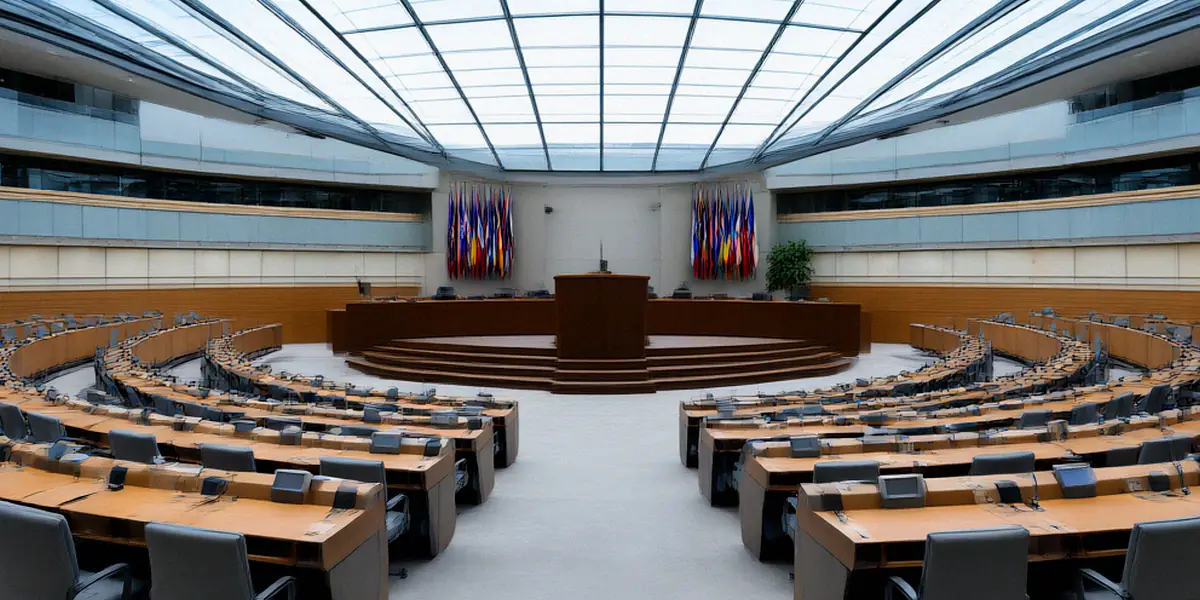
The European Parliament is the only directly elected institution in the European Union. Everything else — the European Commission, the Council of the EU, the Court of Justice — is appointed or composed of national ministers. The Parliament is the one part of the system that voters choose themselves. Following the 2024 elections, it has 720 MEPs, up from 705 in the previous term, with seats redistributed to reflect population changes across member states.
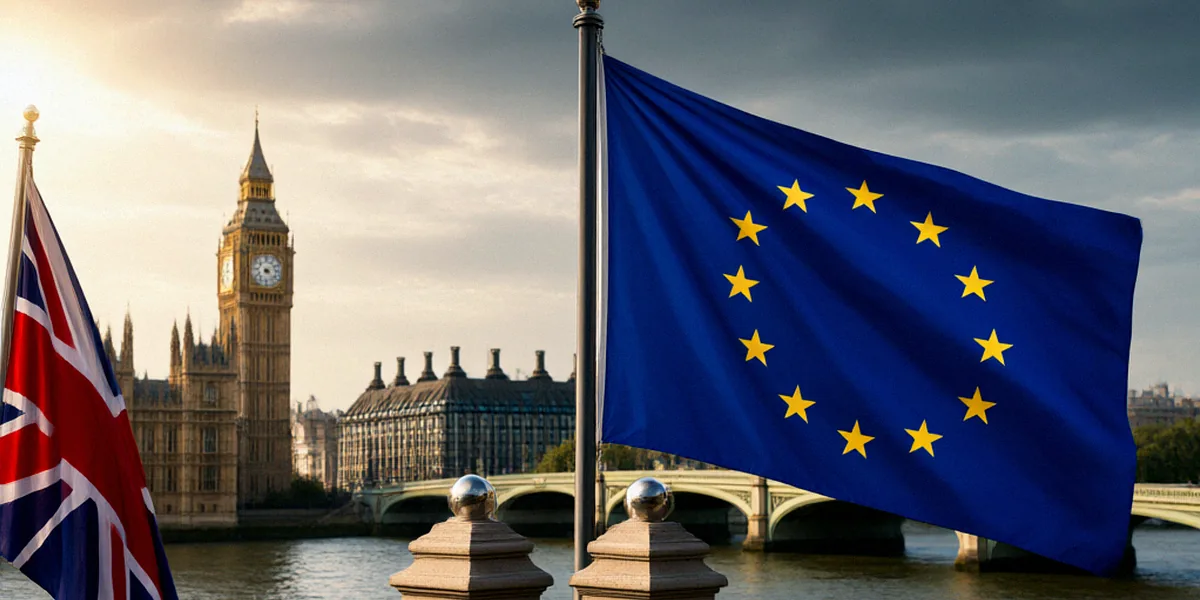
For British readers, there is a specific wrinkle. The UK last participated in European Parliament elections in 2019, when it elected 73 MEPs during the extended Brexit process. After the UK left the EU in 2020, those seats were redistributed or held in reserve. British voters no longer send anyone to Strasbourg or Brussels — but the laws passed there still shape a great deal of what happens in Britain.
How MEPs Are Elected and Who They Represent
MEPs are elected every five years by proportional representation, though the exact system varies by country. Most member states use some form of party list, meaning voters pick a party and the party fills its allotted seats from a ranked list. A few countries allow voters to express preferences for individual candidates within that list.
Seats are allocated roughly according to population, but with a floor and ceiling that favour smaller states. Malta and Luxembourg have a handful of MEPs each; Germany has 96. That means an MEP from a small country represents far fewer people than one from a large country, which is a deliberate design choice to give smaller member states a meaningful voice.
Once elected, MEPs represent their constituents — but they do not sit in national blocs. They organise by political ideology instead, which we will come to shortly.
Why the Parliament Is Not Just a Talking Shop
The “talking shop” label gets thrown around a lot in British coverage, and it is misleading. The Parliament cannot initiate legislation on its own — that right belongs to the European Commission — but it can amend, delay, or reject almost anything the Commission proposes. Over the past few decades, its powers have expanded significantly through successive treaty changes.
In practice, that means no major EU law passes without the Parliament’s agreement. It also approves the EU budget, confirms the Commission President, and can question and censure individual Commissioners. That is not ceremonial. It is co-decision-making in the literal sense.
How the European Parliament Makes EU Policy
Most EU legislation now follows what is called the ordinary legislative procedure. This is the standard route for laws covering everything from environmental standards to consumer protection to digital regulation. It gives the Parliament and the Council of the EU equal weight in deciding whether a proposal becomes law.
The Ordinary Legislative Procedure Step by Step
The process is more straightforward than the jargon suggests. Here is how it works:
- The European Commission drafts and publishes a legislative proposal.
- The proposal goes simultaneously to the European Parliament and the Council of the EU.
- The Parliament’s relevant committee examines it, amends it, and sends it to a plenary vote.
- The Council agrees its own position among national ministers.
- If the two institutions disagree, they enter “trilogue” negotiations with the Commission to find a compromise.
- Both the Parliament and the Council must approve the final text for it to become law.
The European Green Deal is a good example of this in action. It is a sprawling package of climate, energy, transport, and industrial policies aimed at making the EU climate-neutral by 2050. Individual pieces of it — emissions trading reforms, the carbon border adjustment mechanism, nature restoration rules — each went through the ordinary legislative procedure, with MEPs amending and sometimes watering down or strengthening what the Commission originally proposed.
Where the Parliament Can Block or Amend EU Policy
The Parliament’s power to amend is not symbolic. MEPs routinely insert new provisions, delete others, and send proposals back for redrafting. If the Parliament and Council cannot agree after two readings, the proposal dies. That happens less often than you might think, because trilogue negotiations usually produce a compromise — but the threat of rejection shapes those negotiations from the start.
The Parliament also has a veto over international trade agreements, which matters enormously for a country like the UK that trades heavily with the EU. It rejected the Anti-Counterfeiting Trade Agreement in 2012, for instance, a decision that killed the treaty outright.
European Parties and Political Groups Inside the Chamber
One of the most confusing things about the European Parliament for outsiders is the alphabet soup of party names and group acronyms. Understanding the difference between a European party and a political group clears up a lot of it.
European Parties vs Political Groups: What’s the Difference?
European parties are formal transnational organisations, registered with the EU, that operate across member states. They have manifestos, congresses, and funding rules. Political groups, by contrast, are the groupings that actually exist inside the Parliament chamber. To form a group, you need at least 23 MEPs from at least seven member states.
The practical upshot is that MEPs sit by ideology, not nationality. A French conservative and a Polish conservative may sit together; a French conservative and a French socialist will not. The main groups include:
- The European People’s Party (EPP) — centre-right, and the largest political group in the European Parliament.
- Socialists and Democrats (S&D) — centre-left.
- Renew Europe — liberal and centrist.
- Greens/EFA — green and regionalist.
- Patriots for Europe and other right-wing groupings — a shifting set of nationalist and conservative blocs.
- The Left — left-wing and socialist MEPs outside the S&D.
National parties usually belong to one of these groups, though the fit is not always perfect. A governing party at home may find itself in opposition within its European group on certain votes.
How Groups Shape Votes and Committee Power
Groups matter because they control the levers of parliamentary business. They decide who chairs committees, how speaking time is allocated, and which amendments get prioritised. The larger the group, the more influence it has over the legislative agenda.
Committee work is where most of the real scrutiny happens. The Environment Committee, the Economic and Monetary Affairs Committee, and the Civil Liberties Committee are among the most powerful, because they handle the legislation that affects the most people. An MEP’s committee assignment often matters more than their party label for day-to-day influence.
Scrutiny, Budgets and the Commission
The Parliament’s role is not limited to passing laws. It also acts as a check on the executive branch of the EU — the European Commission — and controls the purse strings.
Holding the European Commission to Account
Commissioners must appear before parliamentary committees, answer written questions, and defend their decisions in public. MEPs can summon them for hearings, and the Parliament as a whole can pass a motion of censure, which would force the entire Commission to resign. That has never happened, but the power is real.
The Parliament also confirms the Commission President. After the 2024 European elections, Ursula von der Leyen was confirmed as European Commission President by the Parliament, following a vote in which MEPs scrutinised her programme and extracted concessions in exchange for support. Individual Commissioners then face their own confirmation hearings, and the Parliament can reject candidates it considers unsuitable.
The EU Budget and Parliamentary Consent
No EU budget passes without the Parliament’s approval. MEPs can increase spending in areas they care about, cut it elsewhere, and reject the whole thing if they are unhappy. The annual budget negotiations between the Parliament and the Council are often where political priorities become concrete numbers.
The Parliament also signs off on how previous budgets were spent, through a process called discharge. This is a genuine audit function, and it has been used to delay approval when MEPs are dissatisfied with how the Commission has managed funds.
Why the European Parliament Matters to UK Readers
Brexit did not sever the UK from EU decision-making. It changed the UK’s relationship with it, but the EU remains the UK’s largest trading partner, and rules made in Brussels still affect British businesses, travellers, and regulators.
Brexit, Trade and Rules Made in Brussels
When the EU sets product standards, data rules, or financial regulations, UK exporters often have to meet them to sell into the single market. That is not a political argument for or against Brexit; it is a practical reality of trading with a bloc of 27 countries. The European Green Deal, for instance, has implications for UK manufacturers, hauliers, and energy suppliers, even though the UK is not part of the EU’s decision-making process.
Travel rules, border procedures, and professional qualification recognition are also shaped by EU legislation that the UK no longer votes on. Following EU politics is, in that sense, a form of forward planning.
How to Follow EU Politics from the UK
There is no shortage of ways to keep up. We recommend a mix of primary sources and curated summaries:
- The European Parliament’s own website publishes committee reports, plenary agendas, and voting records.
- EU newsletters, such as those from Politico Europe, EURACTIV, and the Parliament’s own bulletins, provide regular digests.
- Following individual MEPs on social media gives a sense of how debates are actually unfolding.
- National press across member states often covers EU stories with more depth than British outlets do.
Reading EU newsletters regularly is one of the simplest ways to build a working knowledge of what is being decided and why it matters.
FAQ
Does the European Parliament have the power to make laws?
It cannot propose laws on its own — that is the Commission’s job — but it must approve, amend, or reject almost all EU legislation alongside the Council of the EU. In practice, that makes it a genuine co-legislator.
How many MEPs are there and how are they chosen?
There are 720 MEPs following the 2024 elections. They are elected every five years by proportional representation in each member state, with seat numbers roughly reflecting population.
Can UK voters still elect MEPs?
No. The UK last participated in European Parliament elections in 2019, before Brexit. Since leaving the EU, the UK no longer sends MEPs to the Parliament.
What is the difference between the European People’s Party and a political group?
The European People’s Party is a formal European party, while the political groups are the blocs that operate inside the Parliament chamber. The EPP is also the largest political group in the European Parliament, which gives it significant agenda-setting power.
Why should UK readers care about EU politics?
Because EU rules on trade, standards, travel, and regulation still affect the UK directly, even though Britain no longer votes on them. Following EU newsletters and MEP votes is a practical way to understand decisions that reach British shores.
The European Parliament is a real co-legislator, not a debating society. It shapes EU policy, confirms the Commission, controls the budget, and its decisions continue to influence the UK long after Brexit. British headlines may treat it as an afterthought, but we think it deserves far more attention than that.


Post Comment