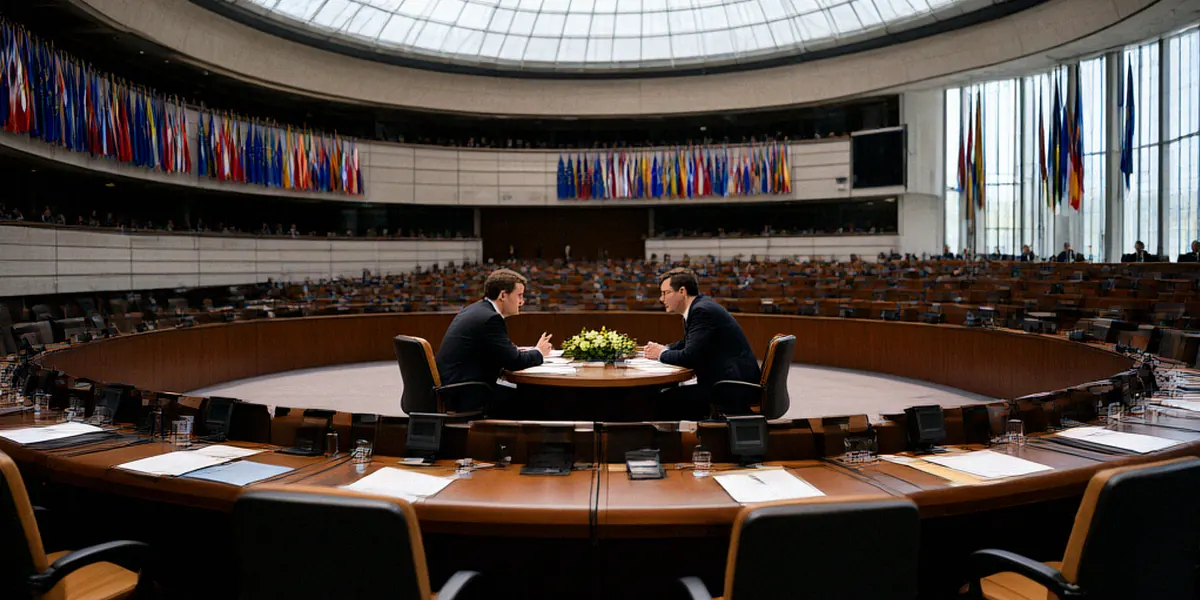
How EU Laws Are Made: A Plain Guide
If you followed Brexit closely, you probably heard endless references to “Brussels,” “the Commission” and “MEPs” without ever getting a clear picture of how an EU law actually comes into being. It can feel like a machine with too many moving parts, and from outside the EU, it is even harder to see what matters. In this guide, we break the process down step by step, from the first draft to the final vote, and explain how UK readers can keep track of EU policy that still affects them.
The Big Picture: Who Does What in the EU

EU law-making involves four main institutions. The European Commission drafts proposals, the European Parliament and the Council of the EU debate and amend them, and the European Council sets the broad political direction. Two facts are worth holding onto: the Commission has the sole right of initiative in most policy areas, meaning only it can formally propose new EU laws, and the Parliament is the only directly elected EU institution, with 705 MEPs chosen by voters across the member states.
The European Commission: The EU’s Civil Service and Initiator
The Commission is based largely in Brussels and functions as the EU’s executive and civil service. It employs tens of thousands of officials across directorates-general, each covering a policy area such as trade, environment or competition. When the Commission proposes a law, it usually consults national governments, industry bodies, NGOs and the public first. Once a proposal is tabled, it passes to the Parliament and Council, and the Commission then defends it through the process. The current Commission took office in 2024 under President Ursula von der Leyen.
The European Parliament: The Only Directly Elected Body
The European Parliament is the only directly elected EU institution, with 705 MEPs. Elections are held every five years, most recently in June 2024. MEPs do not sit in national blocs; they organise into transnational political groups, which we cover below. The Parliament amends, approves or rejects legislation, scrutinises the Commission, and must consent to international agreements and the EU budget.
The Council of the EU: Where National Ministers Meet
The Council of the EU represents national governments and co-legislates with the European Parliament. It should not be confused with the European Council, which brings together heads of state and government to set strategic priorities. The Council of the EU meets in different formations depending on the topic, so environment ministers handle climate files while finance ministers handle tax and banking rules. Voting is usually by qualified majority, though sensitive areas such as tax and foreign policy require unanimity.
The Ordinary Legislative Procedure, Step by Step
The ordinary legislative procedure is the standard way EU laws are made, covering most policy areas, from consumer protection to fisheries. It gives the Parliament and Council equal weight as co-legislators. In practice, around 80% of EU laws pass at first reading, thanks to informal deal-making before formal positions are even adopted.
First Reading: Parliament and Council Respond
Once the Commission publishes a proposal, it goes simultaneously to the Parliament and the Council. In the Parliament, a committee takes the lead and appoints a rapporteur to draft a report. Other committees may offer opinions. The committee votes on amendments, then the full Parliament votes in plenary, usually in Strasbourg or Brussels. The Council meanwhile agrees its own position, known as a general approach. If the two institutions agree on the same text, the law is adopted at first reading.
Second Reading and Conciliation: When They Disagree
If the Council does not accept the Parliament’s first-reading position, the proposal moves to a second reading. The Parliament has three months to approve, amend or reject the Council’s position. If it rejects the text outright, the proposal dies. If it amends it and the Council still disagrees, a conciliation committee is convened, with equal numbers of MEPs and Council representatives. If conciliation produces a joint text, both institutions vote on it. If not, the law fails.
Trilogues: The Informal Deal-Making Stage
In reality, much of the work happens in trilogues: informal, closed-door meetings between representatives of the Parliament, the Council and the Commission. These negotiations aim to agree a compromise text early, often before first reading is complete. Trilogues are efficient but criticised for lacking transparency, since draft compromise documents are not always published promptly. Our team keeps an eye on trilogue calendars because they often reveal where a file is really heading.
Where European Parties Fit In
MEPs sit in transnational political groups, not national delegations. A German conservative and a Greek conservative may belong to the same group, while two MEPs from the same country can sit on opposite benches. These groups shape amendments, speaking time and voting outcomes, making them central to how EU politics actually works.
Political Groups in the European Parliament
The largest groups in the current Parliament include:
- The European People’s Party (EPP), centre-right, the largest group.
- Socialists and Democrats (S&D), centre-left.
- Renew Europe, liberal and centrist.
- The Greens/EFA, environmentalist and regionalist.
- Patriots for Europe and the European Conservatives and Reformists (ECR), on the right and hard right.
- The Left, further left of S&D.
A group needs at least 23 MEPs from at least seven member states. That threshold pushes like-minded national parties together and gives the bigger groups real leverage over the agenda.
How Groups Influence Law-Making
Groups decide who sits on which committee, who rapporteurs a file, and how members vote. A rapporteur from the EPP will approach a climate file differently from one from the Greens. Groups also negotiate with each other to build majorities, often through informal coalitions that shift file by file. When the EPP and S&D vote together, they can usually pass or block legislation; when they split, Renew, the Greens or ECR become kingmakers.
The Rise of Smaller Parties and Independents
The 2024 elections brought more fragmentation. Hard-right and nationalist parties gained seats, while centrist groups lost ground. This makes coalition-building harder and gives smaller groups more bargaining power. Independents, known as non-attached members, have little formal influence but can still shape debate through amendments and media attention.
How EU Policy Reaches the UK
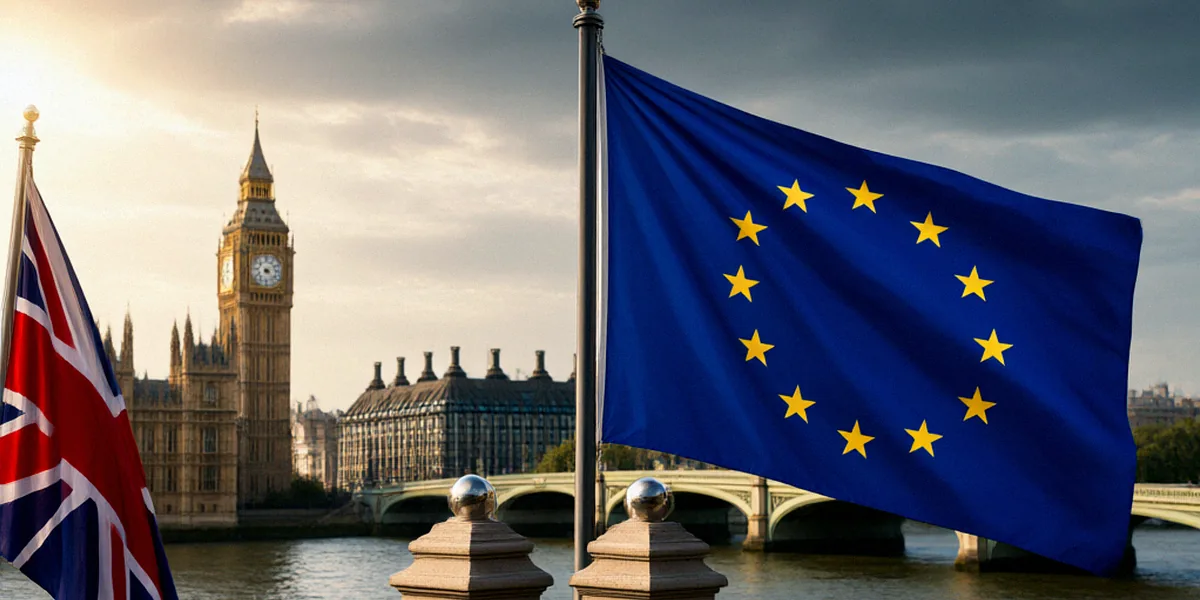
Brexit did not sever the UK from EU law. The Northern Ireland Protocol and the Windsor Framework govern how EU law applies in Northern Ireland post-Brexit, and UK businesses trading with the EU still follow many EU rules to access the single market. For UK readers, tracking EU policy is not nostalgia; it is practical risk management.
The Northern Ireland Protocol and the Windsor Framework
The Northern Ireland Protocol, agreed as part of the 2019 withdrawal deal, kept Northern Ireland aligned with many EU single market rules to avoid a hard border on the island of Ireland. The Windsor Framework, agreed in 2023, revised how those rules operate, introducing green and red lanes for goods and a Stormont brake giving the Northern Ireland Assembly a say over new EU rules. EU law continues to apply in Northern Ireland in the areas covered by the framework, which means EU policy debates can have direct legal effects there.
Why EU Rules Still Matter to UK Businesses
Any UK company exporting to the EU must meet EU product standards, labelling rules and data protection requirements. Financial services firms rely on equivalence decisions. Airlines need EU operating permissions. Chemicals, food and medical devices face strict EU approval regimes. Even purely domestic UK firms can be affected if their suppliers or customers trade with the EU. Keeping up with EU policy is therefore part of doing business.
Following EU Policy from the UK
We recommend a simple routine. Check the European Parliament’s legislative observatory for files in progress. Follow the Commission’s daily press releases. Read at least one EU newsletter. Watch for trilogue outcomes, because they usually signal the final shape of a law. And pay attention to the Council’s rotating presidency, which sets the agenda for six months at a time.
Tracking EU Politics: Newsletters and Sources We Trust
Our team reads a wide range of sources to keep our explainers accurate and timely. Politico Europe’s Playbook and Euractiv are widely read EU newsletters for policy tracking, and we rely on them alongside official EU publications.
Politico Europe Playbook
Playbook is a daily morning newsletter covering the political gossip, personnel changes and policy signals that shape Brussels. It is fast, opinionated and useful for spotting which files are moving. Its sibling editions cover London, Paris and Berlin, which helps UK readers see how national capitals are influencing EU debates.
Euractiv and EUobserver
Euractiv publishes a daily brief and specialist newsletters on energy, agriculture, health and tech. EUobserver offers independent reporting with a focus on transparency and rule-of-law issues. Both are useful counterweights to press releases and spin.
Official EU Sources: EUR-Lex and the Parliament Website
For primary sources, EUR-Lex holds the full text of EU treaties, regulations, directives and decisions, plus the legislative history of each file. The European Parliament website publishes committee reports, voting records and plenary agendas. The Council’s website tracks national positions and presidency priorities. Together these give you the raw material to check any claim you read elsewhere.
FAQ
Who proposes new EU laws?
The European Commission has the sole right of initiative in most policy areas, meaning it drafts and formally proposes new EU laws. The Parliament and Council can request that the Commission bring forward a proposal, but they cannot table legislation themselves in the ordinary procedure.
What is the ordinary legislative procedure?
It is the standard way EU laws are made, covering most policy areas. The Commission proposes, the European Parliament and the Council of the EU amend and vote, and the text becomes law once both institutions agree. Around 80% of laws pass at first reading.
Do MEPs represent their country or a European party?
MEPs are elected nationally but sit in transnational political groups such as the EPP, S&D and Renew Europe. These groups, not national delegations, organise amendments and voting, which is why European parties matter so much to EU politics.
Does EU law still apply in the UK after Brexit?
In Great Britain, most EU law no longer applies directly. In Northern Ireland, the Northern Ireland Protocol and the Windsor Framework mean EU law continues to apply in specific areas. UK businesses exporting to the EU must also meet EU rules to access the single market.
Which EU newsletters should I follow?
Politico Europe’s Playbook and Euractiv are widely read EU newsletters for policy tracking. EUobserver adds independent reporting, while EUR-Lex and the European Parliament website provide the official texts and voting records behind the headlines.
Understanding the EU law-making process is not about becoming a Brussels insider. It is about knowing where power sits, how a proposal becomes law, and which sources are worth your time. For UK readers, that knowledge is a practical tool: it helps you cut through misinformation, follow EU policy with confidence, and see the real-world effects on trade, regulation and Northern Ireland long before they hit the headlines.

Post Comment